The best batteries for an emergency kit, and how long they last in storage
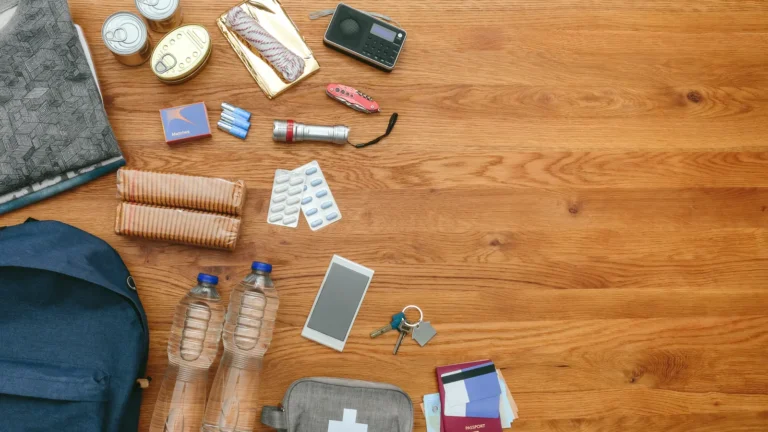
For most UK kits: AA or AAA alkaline batteries with a long printed date. How long batteries last in storage, and how to store and test them.
Updated 1 October 2026


For most UK kits: AA or AAA alkaline batteries with a long printed date. How long batteries last in storage, and how to store and test them.
Updated 1 October 2026

A torch is safer than candles in a power cut. Here is which torch to keep, where to store it and what to do if candles are your only light.
Updated 1 October 2026

Check the Met Office warning for your postcode, avoid non-essential driving, clear fresh snow early and never pour water on a path: it refreezes.
Updated 1 October 2026
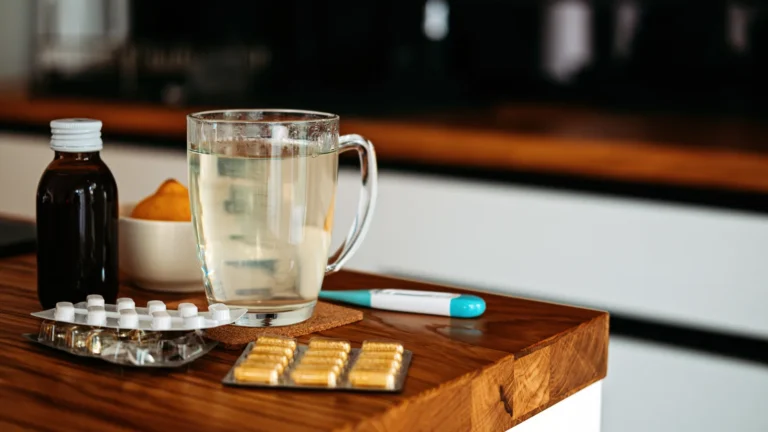
Keep a small set for minor illness: pain relief, allergy, indigestion, diarrhoea and rehydration remedies, plus a thermometer. Ask a pharmacist.
Updated 1 October 2026

Air-activated sachets for long days out, reusable click packs for short trips, rechargeables for frequent use. Use with gloves, never on bare skin.
Updated 1 October 2026
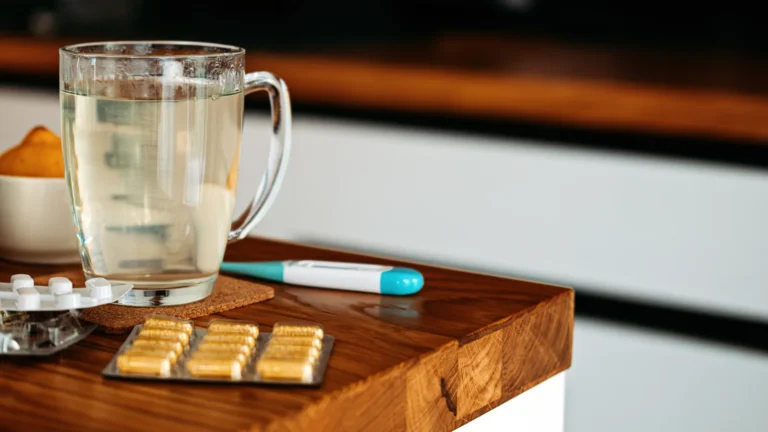
Use a digital thermometer under the tongue or in the armpit (armpit for under-5s). A high temperature is usually 38C or above. Which type to keep.
Updated 1 October 2026
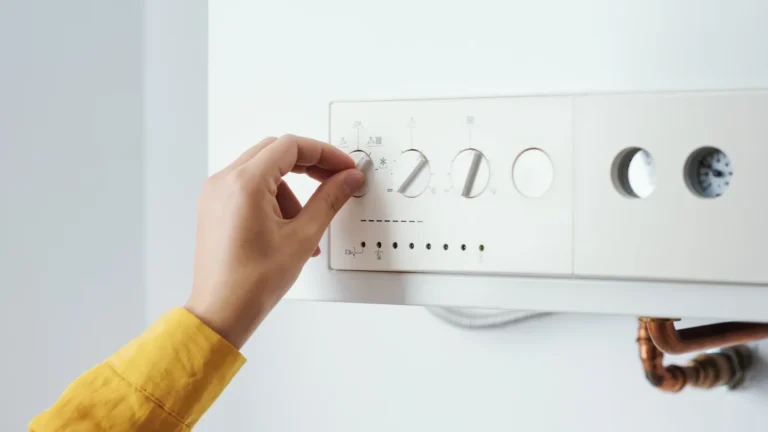
Most boilers stop in a power cut. See what happens to combi, system, oil and LPG boilers, what hot water remains, and how to restart safely.
Updated 30 September 2026
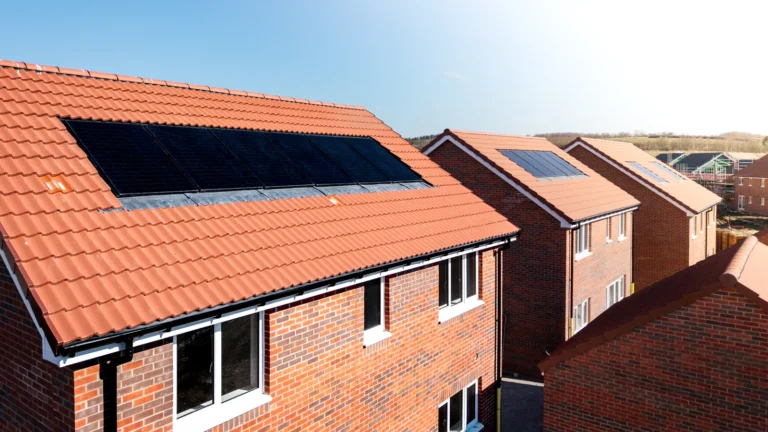
Most UK solar panels switch off in a power cut. Learn when batteries provide backup, how plug-in panels behave and what to check safely.
Updated 30 September 2026
Check the Met Office warning for your postcode, then secure loose items, charge phones and plan for a power cut. A 48-hour UK storm checklist.
Updated 30 September 2026

Digital landlines usually stop in a power cut. Learn who gets free battery backup, what the switchover means, and how to check telecare safely.
Updated 30 September 2026